Blog · Asian American Men
Asian American Men and Mental Health: Masculinity, Pressure, and Staying Quiet
TL;DR
A lot of Asian American men learn two sets of rules growing up: don't worry the family, and handle it yourself. Put together, they make it really hard to say "I'm struggling." So the stress comes out in other ways, like overworking, irritability, or numbing out. You don't have to wait until things fall apart to talk to someone.
"I don't know if this is a big enough deal to be here."
I hear some version of that sentence a lot, and I hear it most often from Asian American men. Usually it comes in the first five minutes of a first session. Then we spend the rest of the hour on things they've been carrying for years and have never said out loud.
I don't think that's a coincidence. I think a lot of us were taught, without anyone ever saying it directly, that our problems weren't big enough to bring up. So I want to talk about where that comes from, what it tends to look like, and what I've seen actually help.
This one is personal for me, too. It's often hard to find the balance between my family responsibilities and expectations and my own needs. I've lost count of the nights I've stayed up weighing my options, struggling to make a decision, and trying to figure out which values should anchor me in a particular season of life.
Two sets of rules that point the same direction
The first set is cultural. In many Asian families, you protect the family's name, you keep the peace, and you don't make your parents worry. If your parents gave up a lot so you could have a different life, struggling can feel ungrateful. "They had it so much harder" is a very effective way to talk yourself out of your own feelings.
The second set is the one most men pick up somewhere along the way: be strong, figure it out, don't be a burden.
On their own, each set of rules has something good in it. Loyalty is good. Being dependable is good. The problem is when both say the same thing, which is keep it to yourself. Add the "model minority" idea, the expectation that you should be doing fine, and there's almost no room left to admit you're not.
You can see it in the numbers. In 2024, about 1 in 8 Asian American adults got any mental health treatment, compared with nearly 1 in 4 adults overall.1 Men in general are also less likely than women to get help when they're struggling.2 That doesn't mean we struggle less. It means more of us are doing it alone.
It usually doesn't look like sadness
When people picture depression or anxiety, they tend to picture someone crying or not getting out of bed. That's not what I usually see with the men I work with.
I see guys who are working 60-hour weeks and calling it ambition. Guys who've gotten short with their partner and can't figure out why. Guys who game or scroll until 2 a.m. because it's the only time their brain is quiet. Some get very rigid about food or the gym, which is something I pay close attention to as an eating disorder specialist, because it often gets praised as "discipline" long after it's stopped helping. Others just slowly stop making plans.
None of that means something is wrong with you. Most of the time, it's what happens when you've been holding a lot for a long time and there's nowhere to put it down.
The "good son," and the stereotypes we grew up with
Many of the men I work with were the responsible one. The translator at the doctor's office, the one who handled the bills, the one whose career path was decided early. Being dependable is a real strength. But sometimes it means your own wants never get a turn.
Then there's how Asian men have been shown in movies and TV for decades: the nerd, the sidekick, the guy who doesn't get the girl. That stuff doesn't stay on the screen. It can quietly shape how you feel about yourself in dating, at work, and in your own body. I've noticed some men respond by making themselves smaller and easier to be around. Others push hard in the opposite direction, at the gym or by never letting anyone see them sweat. Both are ways of coping with the same message.
You can love and respect your family and still have needs of your own. Both can be true at the same time.
What I've seen actually help
I always tell clients I'm not the expert on them. I know the research and the treatment models, but you know your life. So rather than handing you a list of rules, here's how I'd approach this with you in a session: get curious, try something small, and keep what works.
Get curious instead of critical
Next time you notice yourself reaching for the thing you always reach for, whether that's work, your phone, a drink, or the gym, try asking "What is this doing for me right now?" instead of "Why can't I stop?" Overworking might be how you feel in control when everything else feels shaky. That's useful to know. It's not a character flaw.
Use smaller words
You don't have to say "I'm depressed" or "I have anxiety." A lot of guys find those words don't fit, or feel too heavy. "Stressed," "tired," "off," or "not myself" all count.
Tell one person
Not everyone. One friend, a sibling, a partner. It can be as simple as, "Work's been rough and it's been getting to me." You might be surprised how often the other person says, "Yeah, me too."
Try this week
Pick one small experiment. A 20-minute walk without your phone. Leaving work on time twice. Texting one friend you haven't talked to in a while. At the end of the week, ask yourself honestly what helped and what didn't. Keep what helped. Drop the rest.
Think about therapy on your own terms
A lot of men worry therapy means blaming their parents or turning their back on their culture. It doesn't. In my office, it's a private place to think out loud with someone who's on your side. Some clients want me to be direct and call things out. Others want more room to figure it out on their own. I can work either way, and we can change it as we go.
Sources
- U.S. Department of Health and Human Services, Office of Minority Health. Mental and Behavioral Health: Asian Americans (2024 NSDUH data).
- SAMHSA. Mental Health Treatment among People Who Had a Mental Health Condition in the Past Year, 2024 National Survey on Drug Use and Health.
This post is for education only and isn't a substitute for therapy or medical care.
About the author
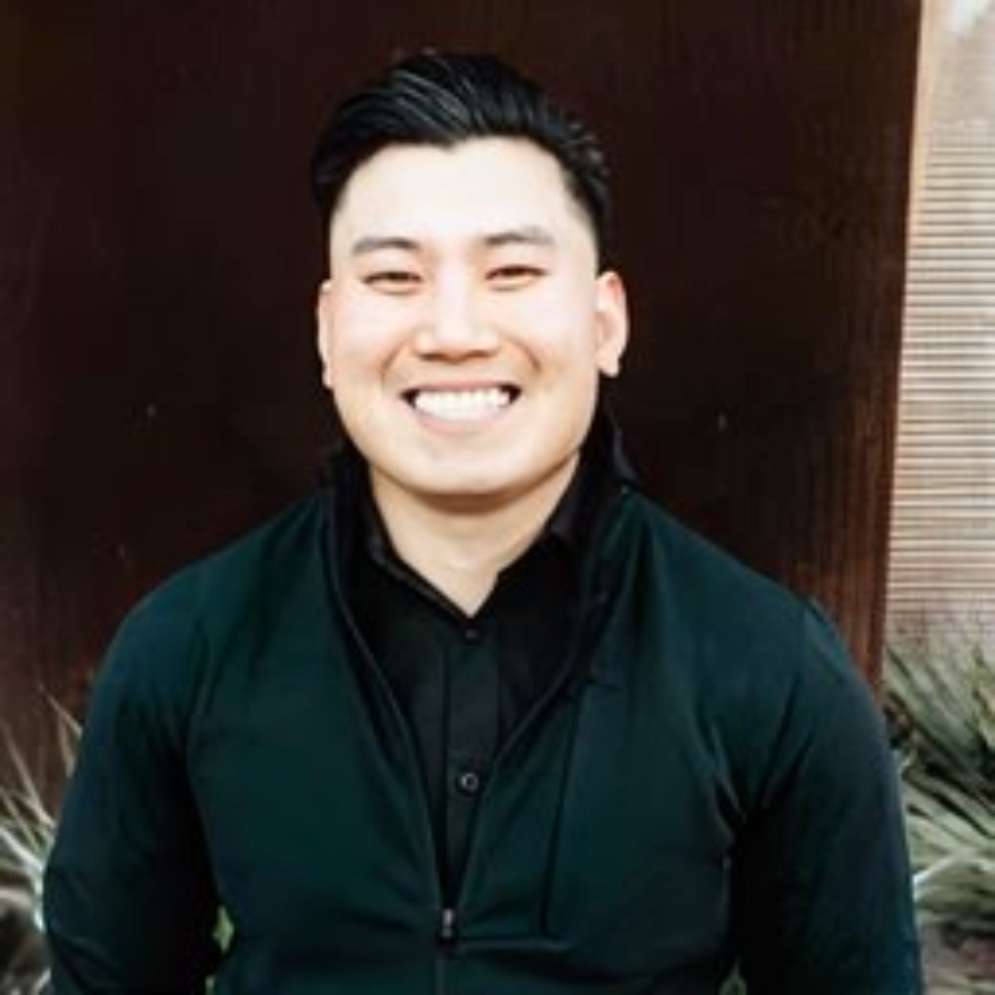
Jonathan Dang is a Licensed Marriage and Family Therapist (LMFT #120325) and Certified Eating Disorder Specialist in California. For the past decade he has worked with adults navigating anxiety, depression, ADHD, career stress, anger, and their relationship with food and body image. Men's mental health is at the center of his practice, and he recently completed his term as co-chair of the Academy for Eating Disorders' Male Eating Disorder Special Interest Group.