Eating disorders in men
Men struggle with food, exercise and their bodies far more often than they're diagnosed. It might look like chasing size, rigid "clean" eating, training you can't skip, binge eating, or quietly cutting back. I offer online therapy for men across California who want to understand what's going on and change it.
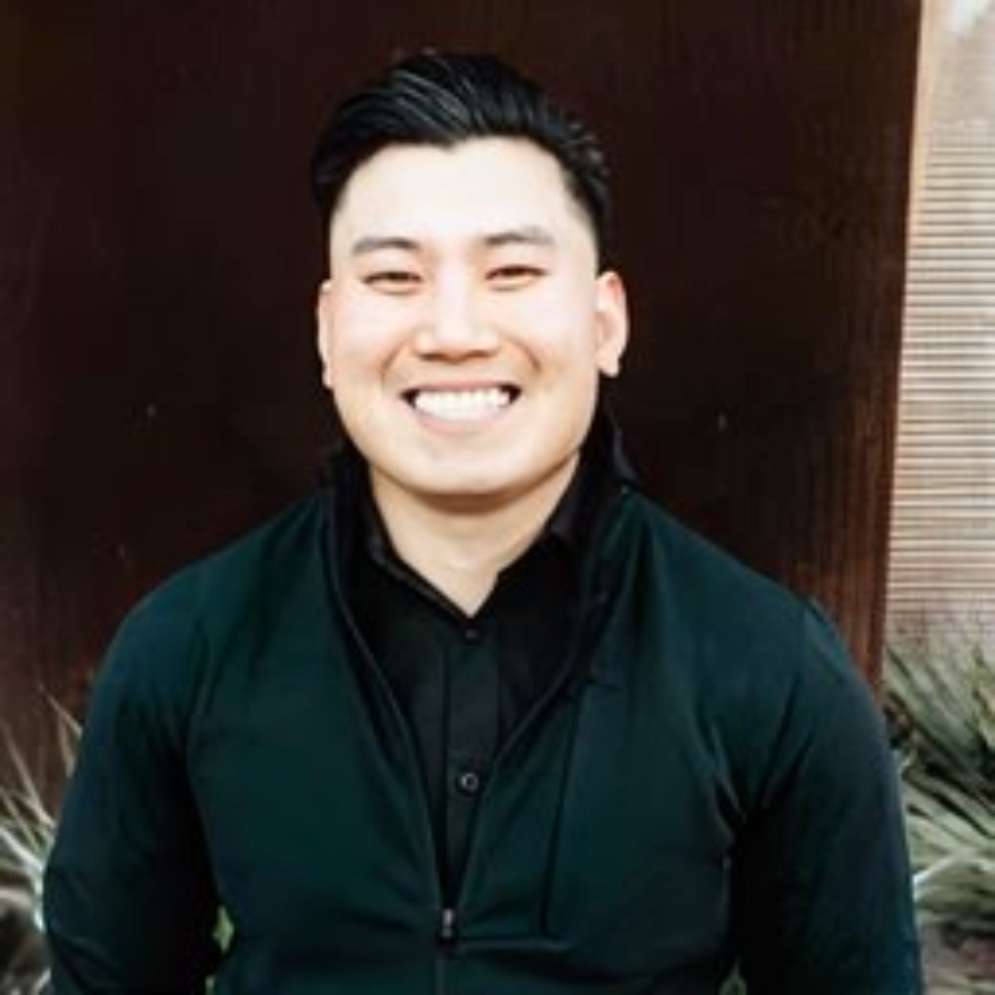
Jonathan Dang · LMFT #120325 · CEDS · Online across California
You don't have to fit the stereotype to deserve help.
Does this sound familiar?
Eating disorders in men often hide behind things that get praised: discipline, fitness, "eating clean." Any of these can be a sign it's time to talk.
Constant checking in mirrors, feeling small no matter how much you lift, and supplements or steroids to close the gap.
Working out through injury or illness, or feeling anxious and guilty when you miss a session.
A growing list of foods you won't touch and plans that fall apart if a meal goes off script.
Eating far past full, often in private, followed by guilt, compensating or promising to "be good" tomorrow.
Skipping meals, cutting for a sport or event, or using exercise to "earn" or "burn off" food.
Feeling like men aren't supposed to struggle with this, so you've never told anyone.
How we work together
Curiosity first, then small experiments, then an honest look at what worked. What sticks becomes a plan that's yours.
We look at what food, training and your body are doing for you, and what they cost, without judgment.
Small, specific changes to try between sessions, built around your schedule, sport or gym routine.
We review honestly, adjust, and coordinate with your doctor or a dietitian when that helps.
Your therapist
I'm a Licensed Marriage and Family Therapist and Certified Eating Disorder Specialist. I recently completed my term as co-chair of the Academy for Eating Disorders' Male Eating Disorder Special Interest Group, and men's mental health is at the center of my practice.
Many of the men I work with have never said any of this out loud. You won't be lectured here. I'll be on the sidelines, cheering you on and helping you find what actually works for you.
Common questions
Yes. Men are often estimated to make up around a third of people with eating disorders, but they're much less likely to be diagnosed or to seek help. Many screening tools were designed with women in mind, so men's symptoms, like a focus on muscle, are easy to miss.
No. The goal is a relationship with exercise that serves you rather than controls you. If training is causing harm, we'll work on changing it together, at a pace that makes sense.
No. If food, exercise or your body is taking up too much of your life, that's enough reason to reach out.
An intake session is $225 and follow-up sessions are $190, with a sliding scale available on request. I'm private pay right now and in the process of joining insurance panels. I can give you a superbill to submit for out-of-network reimbursement. See rates.
Yes. All sessions are by secure video, for adults located in California.
Reach out and I'll follow up to schedule an intake session. Online therapy for adults across California.
This website isn't monitored for emergencies. If you're in crisis, call or text 988, or call 911. For eating disorder support, the National Alliance for Eating Disorders helpline is 1-866-662-1235.